
How I Became the CEO of Selkirk Copper
By Colin Joudrie
President & CEO of Selkirk Copper
The July 2025 press release announcing my appointment as the President & CEO of Selkirk Copper summarised my plus 30-year career at Teck Resources, exploring, drilling, mining and forging strategic partnerships. I was endorsed by Selkirk First Nation (SFN) Chief, Sharon Nelson, and it was revealed that I made a personal $1.5 million investment in Selkirk Copper.
In the past five months, numerous journalists have asked me why I invested in this company and took on the role of CEO.
The pathway that led me to Selkirk Copper began in the early 1970s in Alberta, Canada. Growing up I played a lot of team sports, which taught me how to compete and forge friendships. My father was a businessman in the boom-and-bust oil business in Canada, the USA, and globally. Our family moved from Calgary to Ontario, to Kentucky, and back to Calgary with an extended stint in California.
Being repeatedly uprooted and re-planted in new communities, I learned to be open-minded and alert to the expectations of others. My parents emphasized the importance of a well-rounded education: science, math, economics, history, art and politics.
Early in my university career and work life it became apparent to me that a geology degree was a passport to see the world. That was attractive to me. I was hungry to visit new places, take on new challenges and learn about other cultures. After graduating from the geology program at Queen’s University in Ontario I worked in the Northwest Territories, Greenland, Ecuador, Chile, Argentina and sub-Saharan Africa, the passport to the world became very real.
The learning curve was steep, and it never flattened out. My wife and I lived in Chile at the end of Pinochet’s era, in a time of dramatic social transition. When we first moved to Santiago, there was only a handful of people wearing jeans and T-shirts. That changed very quickly. The mining culture, technology, and scale of investments changed with it.
At Teck Resources, the competitive environment was intense and challenging. Exploration dollars were limited. No one handed you money. You had to win it. My job was to get out in the field, stake ground, explore, collect data and let the rocks tell the story.
There was no discrimination against young geologists. Management was incentivised to let good ideas rise to the surface and push second-rate ideas to the side. That was the culture: fund the team with the best plan.
I was fortunate in those early years to garner large budgets, supported by senior management. This enabled me to assemble elite exploration teams.
Out in the field, experience and technical know-how are required. But good communication skills are equally important. I learned to ask the right questions and listen carefully to the answers. Drilling has always been second nature to me. The drillers are good at what they do. But to work efficiently, to avoid mistakes, the relationship with the drillers had to be collaborative.
After gaining technical ability and leadership skills, I wanted to know more about economics and business, so I got an MBA from Ivey Business School at Western University. I became a well-rounded professional who could perform competently in drill camps and corporate boardrooms.
Operating in foreign jurisdictions, you need good radar. You have to pick up what the local stakeholders are thinking, what they fear, what they care about. Following the mining code is never enough. Before you drill a single meter, you must earn the trust of the local stakeholders.
The price of copper increased 40% in 2025. As the world electrifies, the current supply deficit is projected to widen. The world needs new copper mines. In partnership with SFN, we plan to be part of the solution.
My upbringing, my training and my professional life have prepared me to meet the challenge of putting the Yukon Minto Copper-Gold-Silver Mine back into production. The goal is to create generational wealth for SFN and Selkirk Copper shareholders and stakeholders alike.
This is an exciting and rare opportunity, and it’s the reason I invested in Selkirk Copper and took on the role of CEO.
In the next message, I will talk about past production and existing infrastructure at the Minto Mine.
By Colin Joudrie
President & CEO of Selkirk Copper
Past Production & Existing Infrastructure
By Colin Joudrie
President & CEO of Selkirk Copper
Our near-term objective is to restart the Minto copper-gold-silver mine in the Yukon, in partnership with Selkirk First Nation (SFN), using environmentally sustainable practices.
The Minto deposit was discovered in 1971, after a stream sediment geochemistry program identified mineral anomalies. Thirty-six years later, in 2007, the mine began producing as an open-pit operation. Seven years later, an adjacent underground mine went into production.
Over its 16-year life, the Minto copper-gold-silver mine produced 500 million pounds of copper, plus significant amounts of gold and silver.
Sherwood Copper and Capstone Copper ran the mine successfully for 13 years, but it became a non-core asset within the Capstone Group in 2013 when Capstone acquired larger assets in the USA, Mexico and then Chile. The Minto Mine wasn’t a core focus. They stopped exploring and developing their Yukon copper asset.
Without replenishment of metal inventory, Capstone ran out of resources. This led to the closure of the mine in 2018. The asset changed hands. A new group restarted the mine too quickly. They were under-financed and unprepared to meet some of the challenges of operating and permitting new areas of the mine. There were operating restraints and shortfalls in throughput, combined with a pre-existing gold-silver metal stream that resulted in the gold and silver being sold off for pennies on the dollar. This led to cash shortfalls, which ultimately resulted in bankruptcy.
In 2023, the Minto Mine was put into care and maintenance, then placed under receivership by the Yukon government. The asset was purchased out of bankruptcy by SFN. The nation had received some benefits from the producing mine, but they knew it could be managed better, and they had a longer-term vision. This was a brave and entrepreneurial decision.
In 2025, SFN partnered with Venerable Ventures and the Frank Giustra-backed Fiore Group, led by Rob McLeod and Ryan Weymark, to form Selkirk Copper. Two initial financing rounds raised C$45 million with new financial partners and investors.
Today, Selkirk Copper is positioned to take advantage of a bankruptcy that has removed encumbrances and liabilities. The cancellation of the streaming obligation means that a future Selkirk Copper mine will own all of the gold and silver in the ore. We are working from a clean sheet.
With gold selling close to US$5,000 per ounce, silver selling around US$75 per ounce, and copper selling around US$6.00 per pound, we believe the economics of a restarted Minto Mine, even with a 1.5% NSR still in place payable to Selkirk First Nation, will be significantly improved.
Minto has existing authorizations to mine ore from both open-pit and underground locations, however overall site permits need to be updated to reflect current mine plans.
Our current combined Indicated and Inferred resources are 12.5Mt @ ~1.2% copper, ~0.5 grams per tonne gold and ~4 grams per tonne silver and 23.5Mt tonnes @ ~1.1% copper, ~0.4 grams per tonne gold and ~4 grams per tonne silver, respectively. In the Indicated and Inferred categories combined, we have just shy of 900 million pounds of copper in the ground, ~500,000 ounces of gold and ~4.7 million ounces of silver.
At peak metal production in 2016, Minto produced 31,000 tons of copper, 40,000 ounces of gold and 350,000 ounces of silver. Although go-forward metal production is expected to be ~30,000 tonnes copper equivalent in concentrate, at US$4,500 per ounce gold, US$75 per ounce silver and US$10,000 per tonne copper, the sale value of Minto’s annual production in 2016 would be ~US$500 million.
This projected sales figure does not factor in the costs of production or development. There is no guarantee that the metal can be extracted profitably. But it does suggest there is plenty of meat on the bone at the Minto Mine.
More rigorous financial projections, including the All-In-Sustaining-Cost (AISC) of production, will be part of the Preliminary Economic Assessment (PEA) we plan to publish later in 2026.
In the next message, I will talk about our Selkirk First Nations advantage.
By Colin Joudrie
President & CEO of Selkirk Copper
Our Selkirk First Nation Advantage
By Colin Joudrie
President & CEO of Selkirk Copper
On June 18, 2025, Selkirk First Nation (SFN) completed the acquisition of the assets and licenses linked to the former Minto Mine. The mine footprint and the surrounding area are on SFN Category A Settlement Land.
Category A denotes that Selkirk owns everything on and under the land, including rights to oil, gas and metals.
In November 2025, SFN partnered with the Frank Giustra-backed Fiore Group to form Selkirk Copper, with the intention of restarting the mine. Two initial financings in July and October 2025 raised C$4.5 million and C$40 million respectively with new investors. As a result of the financing SFN owns 22.3% of Selkirk Copper. They are more than a simple beneficiary, they are an equity owner.
The Selkirk First Nation is centred in Pelly Crossing, a community in central Yukon, 280 kilometers north of Whitehorse. It borders Alaska to the west, the Northwest Territories to the east, and British Columbia to the south. The territory covers 4,740 square kilometers, an area 1,100 X bigger than Vancouver’s Stanley Park.
SFN is a self-governing entity, having signed binding agreements with the Canadian federal government in 1997. They practice a modified form of traditional government: the Chief and Council are elected, with councillors being selected by their respective Wolf and Crow clans.
There are about 700 registered members of SFN, of whom 280 reside in Pelly Crossing. The Chief and Council report to the General Assembly, an aggregate of all the citizens.
Without the support of SFN, permitting, drilling, environmental studies, and the mine restart at the Minto Mine would likely be difficult and protracted. The Nation’s 22.3% equity position in Selkirk Copper, combined with their past working knowledge of the mine, the surrounding territory, and the relationship they have with the Yukon’s Department of Energy, Mines and Resources, make them an invaluable partner in restart plans.
For SFN, this mine restart mission isn’t just about jobs and a net smelter royalty. They are spearheading a transformational shift in the way indigenous groups in Canada, and even globally, participate in the mining industry.
Kevin McGinty, the VP of Land and Environment for Selkirk Copper, is a good example of SFN’s strong leadership. A member of the Wolf Clan, McGinty served two terms as Chief of SFN. He is a mining sector veteran, having collaborated with resource companies, governments and community stakeholders.
McGinty is overseeing regulatory compliance for the Minto Mine restart and its ongoing operations. He will ensure that Selkirk Copper complies with or surpasses regulatory requirements and upholds its environmental obligations to SFN, regulators, and all Yukon residents.
His family has a trap line that runs to the west of the Yukon River, close to the foothills where the Minto Mine is located. The continuance of the multi-generational lifestyle and business depends on a harmonious co-existence between resource extraction, while ensuring continuous connection to and enjoyment of the land including hunting, fishing, and gathering.
There’s a 2012 photo of McGinty walking up a hill next to the milling area with then Canadian Prime Minister Stephen Harper, who commented, “This mine must be very good for your community.” In front of the cameras, McGinty concurred with Harper’s comment, but he has since reflected on that response.
“What I should have said to the Prime Minister,” McGinty told me, “Is that the mine was not having the impact we thought it would. We were labourers, truck drivers, janitors, but not part of the conversation, planning, and management. There was a lack of respect. We felt like we were riding in the back of the bus.”
To my knowledge, this is the first time in Canadian history that a majority Indigenous-owned company is in a strategic position to oversee and influence a mine’s future.
Selkirk Copper is a stronger company with SFN leadership, like Mr. McGinty riding with us in the front of our bus.
In the next message, I will explain our mine restart strategy.
By Colin Joudrie
President & CEO of Selkirk Copper
Minto Mine Restart – What We Are Doing Differently
By Colin Joudrie
President & CEO of Selkirk Copper
Institutional and retail investors are intrigued with mine restart projects, because typically previous operators have already made significant investments in exploration, permits, infrastructure, underground tunnels, roads and machinery.
More than C$320 million of capital has already been invested in the Minto Mine. We inherited a 4,100 tonne-per-day mill, a 400-person full work rotation camp, a power line and access roads. Selkirk First Nations (SFN) paid just C$6.4 million for the asset.
Before attempting to restart a mine, you need to understand how the asset was developed, operated, and what contributed to the mine’s failure. A Fiore Group company, West Red Lake Gold, provides a recent case study in how to successfully execute a mine restart.
After three months’ due diligence, the WRLG team determined that the problems with the Madsen Mine were caused by a compounding series of financial and operational decisions, not the mineral asset itself.
The previous operators took on debt with repayment terms that forced them into an early production date with the lowest capex possible. This meant neglecting delineation drilling, leasing equipment that should have been purchased, and targeting a close-to-surface lower-grade zone.
Prior to the restart of the Madsen Mine, optimization programs included infill and expansion drilling, underground development, engineering studies and a new Preliminary Economic Assessment (PEA). To fully understand the structure of the gold veins, they tightened the drill spacing from twenty to seven meters.
Prior iterations of the Minto Mine had two major problems. One, a lack of exploration resulted in depleted mineral reserves and mineral resources. Two, an onerous gold-silver streaming arrangement saw a significant chunk of the value stripped away from the operator. When the mine owners couldn’t pay the bills, the asset was sent to bankruptcy court.
Royalty agreements and modern precious metal streaming agreements are often tied to the mineral claims. In the bankruptcy process, the 1.5% Net Smelter Royalty (NSR) owed to SFN was kept in place. However, during the bankruptcy process, the precious metal stream on the Minto Mine was nullified because it was a contractual agreement between the parties and not tied to the underlying mineral claims.
The removal of the precious metal stream, combined with significantly higher copper, gold and silver prices, positively impacts the economics of a future mine.
Our restart plan:
Boots on the Ground – This asset has been under-attended to and undermanaged for ~10 years; our team is committed to changing that.
Social License – Selkirk Copper’s advancement of the Minto Mine towards a restart decision will be in partnership with Selkirk First Nation, the Yukon regulators, suppliers and service providers in the Yukon.
Unburdened Asset – Concentrate offtake and gold-silver stream were removed through bankruptcy, providing potentially significant sources of non-dilutive capital (concentrate offtake) and improved operational cashflows (removal of the gold-silver stream), with the only royalty remaining being a 1.5% NSR payable to SFN.
Exploration Focus Followed by Resource Definition – ~50,000-meter drill program is underway to define and expand the resource, building on the Mineral Resource Estimate (MRE) update released Aug 6, 2025.
Well-Capitalized Advancement with a Planning Focus – Trade-off studies and subsequent Feasibility Study work will lead to robust and updated property-wide resource models, mine plans, and permitting plans, which will be used to establish detailed capital and operating cost estimates ahead of a restart decision and financing.
In the next message, I will talk about the importance of our exploration and resource drilling.
By Colin Joudrie
President & CEO of Selkirk Copper
Exploration and Resource Drilling
By Colin Joudrie
President & CEO of Selkirk Copper
Our goal at Selkirk Copper is to become a mid-tier producer of high-quality copper concentrate with gold and silver credits. As part of our mission to de-risk the capital cost of the restart, we are targeting a 12-15 year mine-life. That will require exploration and definition drilling.
In July 2025, an updated Mineral Resource Estimate (MRE) for the Minto copper-gold project was published. The new MRE includes 56,331 meters of drilling from 210 drillholes and 52,973 meters of assays within the Minto models. A revised and updated resource model interpretation includes additional open-pit resources and the inclusion of new mineralized zones.
The 2025 Minto MRE used conservative baseline metal prices of US$4.00/lb copper, US$2,000/oz gold and US$23/oz silver. As of February 2026, the price of copper is 50% higher than the baseline price, gold is 150% higher, and silver is 300% higher.
2025 Updated MRE Highlights:
Indicated Mineral Resource: 12.6 million tonnes (Mt) at 1.20% copper, 0.46 grams per tonne (g/t) gold and 4.3 g/t silver for 334 million pounds of copper, 185,000 ounces of gold and 1.7 million ounces of silver. As of February 2026, at then spot prices, the in-situ value of the Indicated Mineral Resource is ~US$3.0 billion. This figure does not factor in the cost of extraction. It is an illustrative in-situ metal value, not net economic value.
The Mineral Resource has been constrained using conceptual pits and underground mining shapes based on updated prices, smelter terms and costs.
There is a significant increase in tonnage at the Minto North area with the discovery of a new, western mineralized domain. Grades in the Minto North area have higher-than-average gold and silver values compared to gold and silver values across the project.
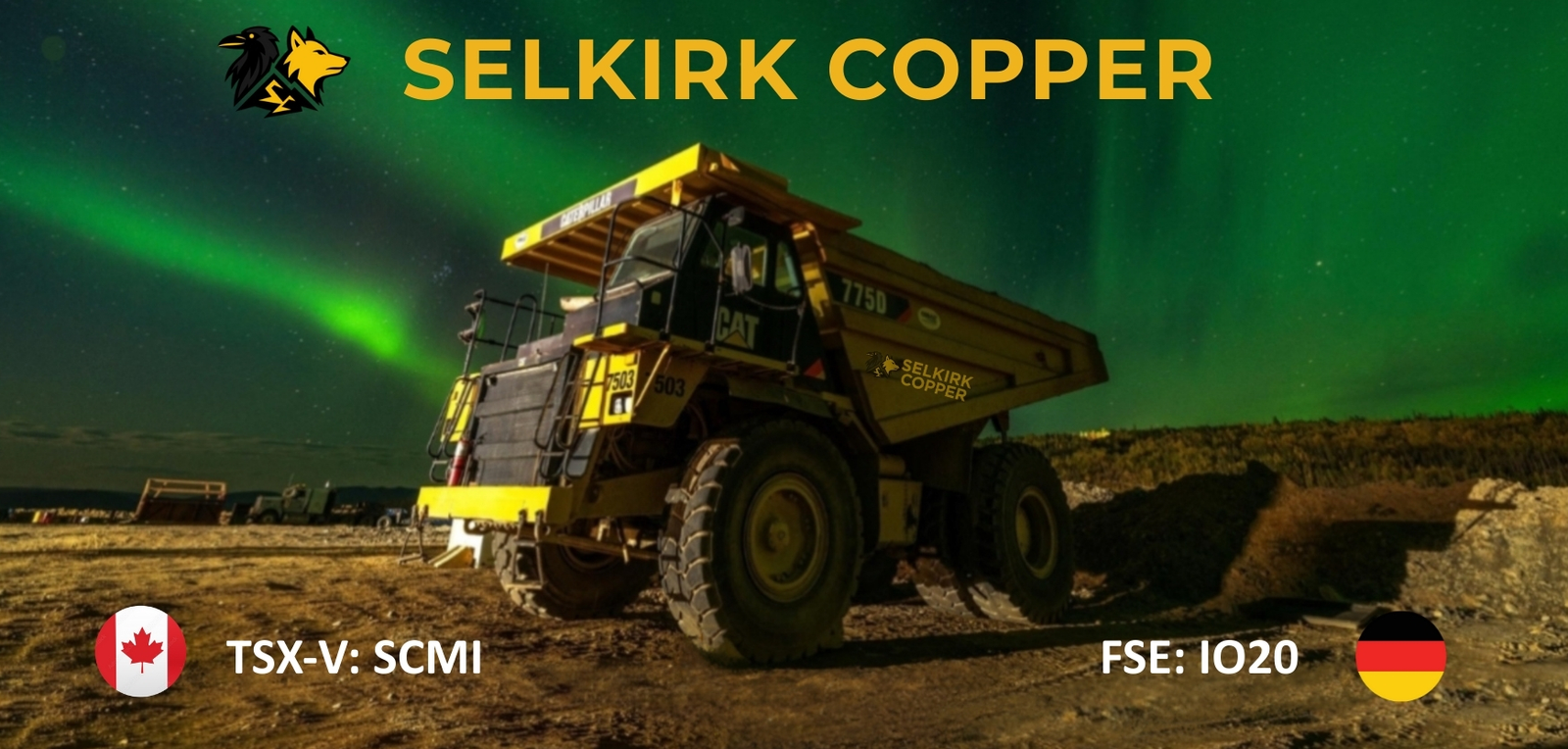
A 50,000-meter drill program is focused on expanding and extending zones of known mineralization at Minto North, Minto East and Copper Keel underground zones and the 118 and Ridgetop open pit zones.
A district-wide exploration program is being advanced based on the geoscientific understanding created from the current 50,000-meter drill program combined with geophysics, geochemistry and surface sampling.
We are also testing high-quality copper-gold-silver exploration targets identified by the previous operator within the mine-site footprint and to the immediate north of Minto.
In August 2025, four diamond drills were mobilized to site. Since then and up to March 2026, over 48,000 meters of diamond drilling in 164 drill holes have been completed.
Initial drill results have expanded the previously identified high-grade Minto North West mineralized zone by up to 90%. Initial results include 5.21% copper, 0.47 g/t gold, 26.68 g/t silver over 8.7 meters and 3.73% copper, 2.56 g/t gold, 17.90 g/t silver over 9.5 meters.
These assay results reinforce our view that the Minto property has meaningful expansion potential.
In the next message, I will explain the importance of our trade-off study and Preliminary Economic Assessment (PEA).
By Colin Joudrie
President & CEO of Selkirk Copper
Importance of the Trade-off Study and PEA
By Colin Joudrie
President & CEO of Selkirk Copper
One thing we know from recent history: a successful mine restart requires rigorous technical and financial planning. Companies that take shortcuts typically find themselves operating sub-economic mines. Our path to a mine restart involves a trade-off study and a Preliminary Economic Assessment (PEA).
The trade-off study will compare multiple design, operational and strategic options to determine the best approach for the mine restart. The criteria being analysed includes mining methods, equipment, capital costs, safety, production rates and environmental impacts. The trade-off study will allow us to make informed, auditable decisions during project planning.
The objective of the PEA is to evaluate the potential economic viability of the Minto Mine before spending money on more advanced engineering studies.
In addition to Indicated Resources, the PEA will also include open-pit Inferred Resources of 9.4 million tonnes @ 0.70% copper, and our underground Inferred Resources of 14 million tonnes @1.28% copper. Inferred Resources are considered geologically speculative and need further drilling to be upgraded to “Indicated” status.
Hatch Consulting is a global management, engineering, and development company with 10,000 employees that specializes in mining and metals. Working with Selkirk First Nations (SFN) engineering consultants, Hatch will focus on informing an up-to-date understanding of the mineral processing, infrastructure and mining options, and a cost-effective and pragmatic go-forward plan.
SRK Consulting is a technical, engineering, and environmental consultancy with 40 global offices and 1,700 employees. Also working with SFN engineering consultants, SRK will focus on informing an up-to-date understanding of rock mechanics and geotechnical characteristics, water management and waste management options and an operable and environmentally sustainable go-forward plan.
Trade-Off Study and PEA Objectives:
- Define a 12 to 15 year mine life
- Achieve 4,100 tonnes per day (tpd) continuous ore production
- Constrain tailings & waste rock disposal to be within the Quartz Mining Licence (QML) boundary
- Manage water responsibly
- Cost-effective mining methods that align with the SFN environmental & sustainability objectives
- Minimize site footprint, operating cost, and disturbance
We will be conducting weekly and bi-weekly focus group meetings to monitor the trade-off studies and PEA progress.
Partially Oxidized (POX) mineralized material identified in the Ridgetop open pit area is being tested at Blue Coast Research to determine the efficiency of converting oxidized ore and minerals into sulphide minerals for concentration, as well as testing the processability of the oxidized material using conventional mineral flotation techniques.
Initial test results are positive, suggesting that there is the potential to convert mineralized material that was previously characterized as waste into ore. The test work will verify processability, establish optimal processing conditions, and provide data for regulatory, economic, and environmental decisions.
We have also acquired an 80km x 30km Light Detection and Ranging (LiDAR) remote sensing data set over the mine site and mineral claims in Q4 2025. LiDAR is a high-resolution, airborne sensing technology that creates high-resolution, detailed 3D digital topographic models over vast terrains. We can use this data to support our geological interpretations in the district, including structural analyses, which will help us guide district and regional exploration activities we intend to start in the summer of 2026.
In addition to the aforementioned metallurgical test work, we believe there are opportunities to reduce operating costs by optimizing energy efficiency. Part of that is revamping the grinding and crushing circuits. We are also developing a framework agreement with Yukon Energy Corporation on energy efficiency objectives. Our engineers are also investigating clean energy and renewable sources of energy, including solar, wind, and run-of-river technologies.
The geotechnical and engineering work will contemplate a “1:200-year-event,” which refers to an uncommon natural occurrence (flood, hurricane, earthquake) that has a 0.5% probability of occurring in any given year.
The 1:200-year-event assessment provides critical design standards that ensures that mine infrastructure – such as pit walls, tailings storage facilities, or water management systems – can withstand extreme environmental stresses.
In the face of changing climate conditions, having a solid 1:200-year-event contingency is a necessary part of environmental stewardship.
For the Selkirk Copper team and particularly the SFN community, the need to plan for potential climate emergencies has an extra dimension of importance: preserving and protecting the land for our children, their children and grandchildren.
We intend to publish the results of the trade-off study and PEA mid-year 2026.
In the next message, I will introduce you to key members of the Selkirk Copper team.
By Colin Joudrie
President & CEO of Selkirk Copper
The Selkirk Copper Team
By Colin Joudrie
President & CEO of Selkirk Copper
With 35 years of experience exploring, drilling, mining, processing, and planning mineral resource projects, as well as raising money and forging strategic partnerships, I believe I am qualified to be the CEO of Selkirk Copper. But this is not a solo mission. Let me introduce some of the key players on our team.
Selkirk Copper Director Rob McLeod, currently the CEO of Cambria Gold Mines Inc. (formerly Ascot Resources), and Director Ryan Weymark, Founder of Fuse Advisors, brought this project to my attention and introduced me to the Fiore Group. Rob is a third-generation miner. His father, Ian McLeod, served as the mayor of Stewart, BC, and was a close ally of Nisga’a Nation. Rob McLeod is an expert on the mining history, culture and geology of Western Canada.
Selkirk Copper Director Ryan Weymark has 15 years of experience spanning engineering, permitting, construction, operations, M&A and finance across the mining sector. He is a Partner with the Fiore Group, contributing to the creation and advancement of new mining ventures, including West Red Lake Gold Mines, Dolly Varden Silver, and Nations Royalty.
Selkirk Copper partner Sharon Nelson is the current Chief of Selkirk First Nation (SFN). Her career focus has been on the health, well-being and economic growth of the SFN community. Following the purchase of the Minto Mine, Nelson said, “We have always pushed for the environmental integrity of the Minto mine site, but we will now be positioned for more command and control of the site, which opens up many possibilities in the future for Selkirk people.”
Selkirk Copper VP Lands & Environment Kevin McGinty is a proud member of SFN and its Wolf Clan. In 2011, Kevin was elected Chief of SFN, serving two terms over six years, gaining extensive experience in the mining business. McGinty was Mineral Resource Director for SFN’s Land and Resources Department from 2021 to 2025.
Selkirk Copper Director Stephen Mills is a member of the Vuntut Gwitchin First Nation and is an active trapper and hunter. Mills is the President of his First Nation’s Development Corporation and Director and Officer for Air North, a Yukon airline. He is currently serving as a senior negotiator and advisor for several First Nations in Yukon and NWT. Mills holds a Master’s of Environmental Practice.
Selkirk Copper Manager, Community Relations, Morris Morrison is a proud SFN citizen and part of the Wolf Clan. Morris served as Councillor of SFN from 2017-2018, including terms as Deputy Chief and Acting Chief. He is the Mining & Communications Liaison Officer, supporting recruitment, training, and advancement of Selkirk citizens and Pelly Crossing residents at mine sites. Morris played a pivotal role, advocating for SFN to purchase the Minto Mine out of bankruptcy.
Selkirk Copper VP Exploration & Geoscience, Stacie Jones, has over 10 years of experience leading exploration programs across Canada. With a geoscience and exploration background and a passion for building collaborative cross-functional teams, Jones has played key roles in advancing gold and base metal projects from early-stage through to development. In her time at Sabina Gold & Silver, she was instrumental in expanding the 5+ million-ounce gold resource at the Back River Project.
Other important members of our team include Josh Kierce, CPA, Chief Financial Officer, with eight years of experience in accounting and investment banking primarily focused on the metals and mining sector; Justin Stevens, CFA, Vice President Corporate Development, a capital markets professional with 10 years of experience in buy and sell-side equity research covering the mining sector and Scott Fulton, P.Eng., Vice President Projects & Engineering, a Professional Engineer with over 30 years post graduate experience. He is a multi-disciplined Engineering Manager/Project Manager/Director who has worked around the globe in various industrial sectors.
As we work toward the restart of the Minto Mine, I will be relying on the passion, experience and knowledge of these team members as well as the entire Selkirk Copper team.
In the next message, I will talk about our preferential access to international copper markets
By Colin Joudrie
President & CEO of Selkirk Copper
Access to International Copper Markets
By Colin Joudrie
President & CEO of Selkirk Copper
A mining company’s primary objective is to extract minerals from the ground as efficiently and responsibly as possible. But there are other challenges, often overlooked, that can make or break a mining company. One of them is the logistics and cost of getting the mineral to market.
For many resource companies, it’s a big-ticket item. An iron mine operating on Baffin Island is currently contemplating a US$3 billion price tag to build a 149-kilometer railway across a range of glacial mountains to a port at Steensby Inlet.
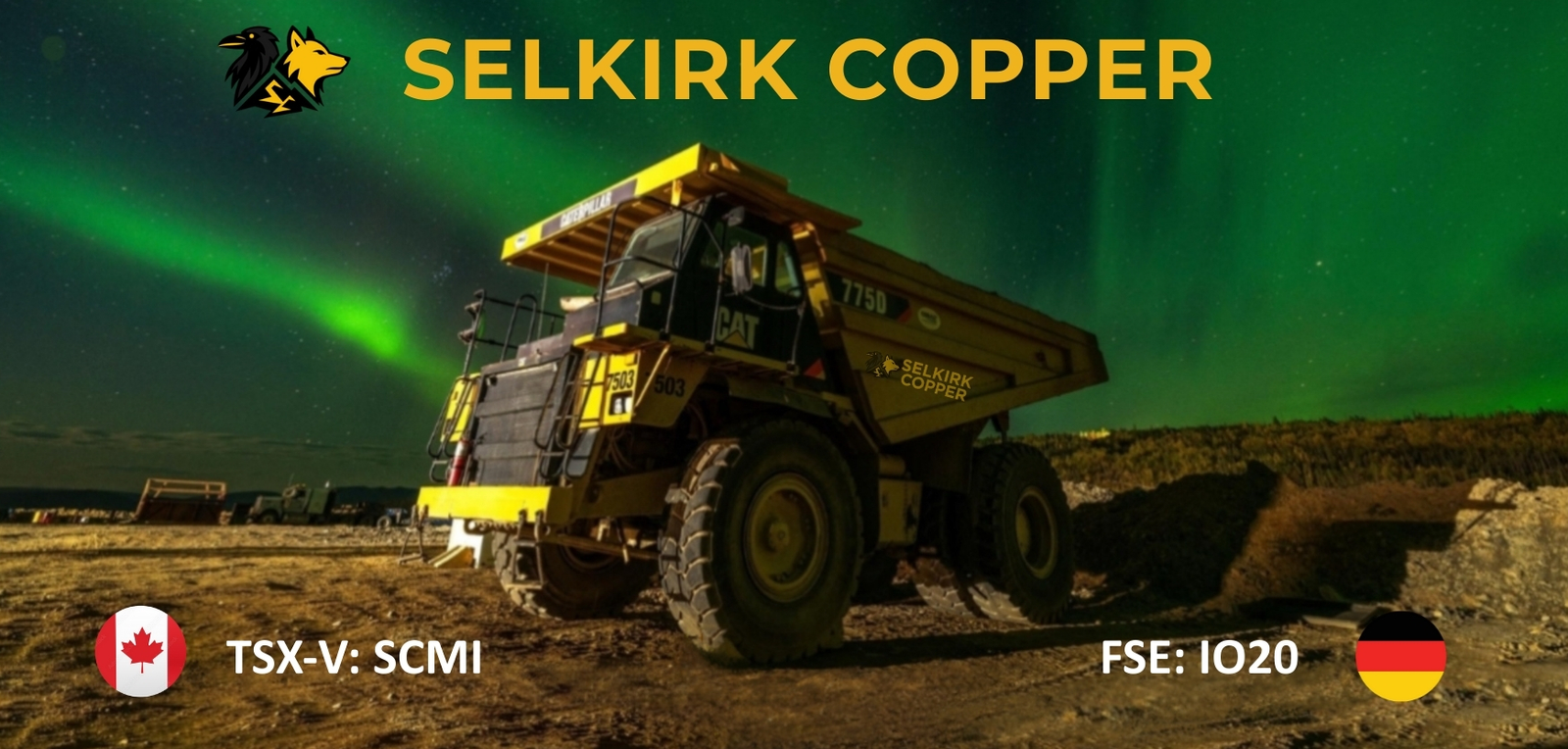
From 2007 to 2023, the Minto Mine trucked its copper-gold-silver mineral concentrate to a deepwater port in Skagway, Alaska. Minto Mine mineral concentrate trucks crossed the Yukon River at Minto Landing by barge in the summer, and by an ice bridge and ice road in the winter.
The trip takes about 7.5 hours, most of it along Yukon Highway 2 and the Klondike Highway. The transition between the winter and summer transport modes causes short seasonal interruptions twice a year.
The Skagway port provides access to Pacific, Asian, and Global markets that are strategically important. China buys 20% of Canada’s copper exports. Prior to the mine’s closure in 2023, the Minto ore was shipped across the Pacific Ocean to Japan.
After decades operating under a private lease, the municipality of Skagway regained control of the port in 2023, pledging to manage it more efficiently and with better environmental stewardship. Existing docks within the port area have been damaged by rockslides and the mineral concentrate load-out facility has received little sustaining capital and no upgrades for years.
There was an issue with port capacity: cargo ship pilots complained about overcrowding and safety. Cruise Lines International Association (CLIA) sued Skagway over an increase in taxes on cruise ships.
In March 2023, our predecessor company announced it would cease to ship concentrate through Skagway after the township decided to shift the focus of its port away from bulk handling of mineral concentrates, towards cruise ships and tourism.
Skagway is a historic gold rush town with a year-round population of ~1,100 that swells to over 1 million visitors annually, mostly from cruise ships. About 97% of the town’s revenue comes from summer tourists.
The port redevelopment involved significant renovation of the ore dock to accommodate an additional cruise ship while the city revamped the industrial section. While that work was being done, there was no ability to load Minto ore onto cargo ships.
Due to its northern location in the Taiya Inlet, access to the port of Skagway is critical to the Yukon mining industry. In 2023, the Yukon government agreed to work with the Municipality of Skagway to fund the construction of a new “Marine Services Platform” (ore dock) in Skagway, with a projected price tag of US$45 million. An initial payment by the Yukon government was made in September 2025 to further advance these efforts.
In exchange for this investment, the intention is that Yukon mining companies will secure long-term (35+ years) preferential access and reduced shipping costs. The timing and financial structure of this agreement are positive developments for Selkirk Copper.
Further to work carried out by the Yukon Government and the Municipality of Skagway, Selkirk Copper Mines Inc. has been working closely with the Municipality of Skagway from August 2025 to March 2026 to chart a path forward for environmentally responsible, safe, and cost-effective transport of critical mineral concentrates through the Port.
The intention of the parties is to rapidly advance an assessment of the best critical mineral concentrate shipping options focused on those methods that will cost-effectively transport critical mineral concentrates while safeguarding the environment, providing for maximum cruise ship traffic, and minimizing disruption to residents.
The approach we are taking with this initiative is to include public input in the evaluation process and combine that with input from critical mineral concentrate shipping experts such that an environmentally responsible and sustainable shipping solution is created.
In the next message, I will present our high-level three-step plan to restart the Minto Mine.
By Colin Joudrie
President & CEO of Selkirk Copper
Three Steps to the Minto Mine Restart
By Colin Joudrie
President & CEO of Selkirk Copper
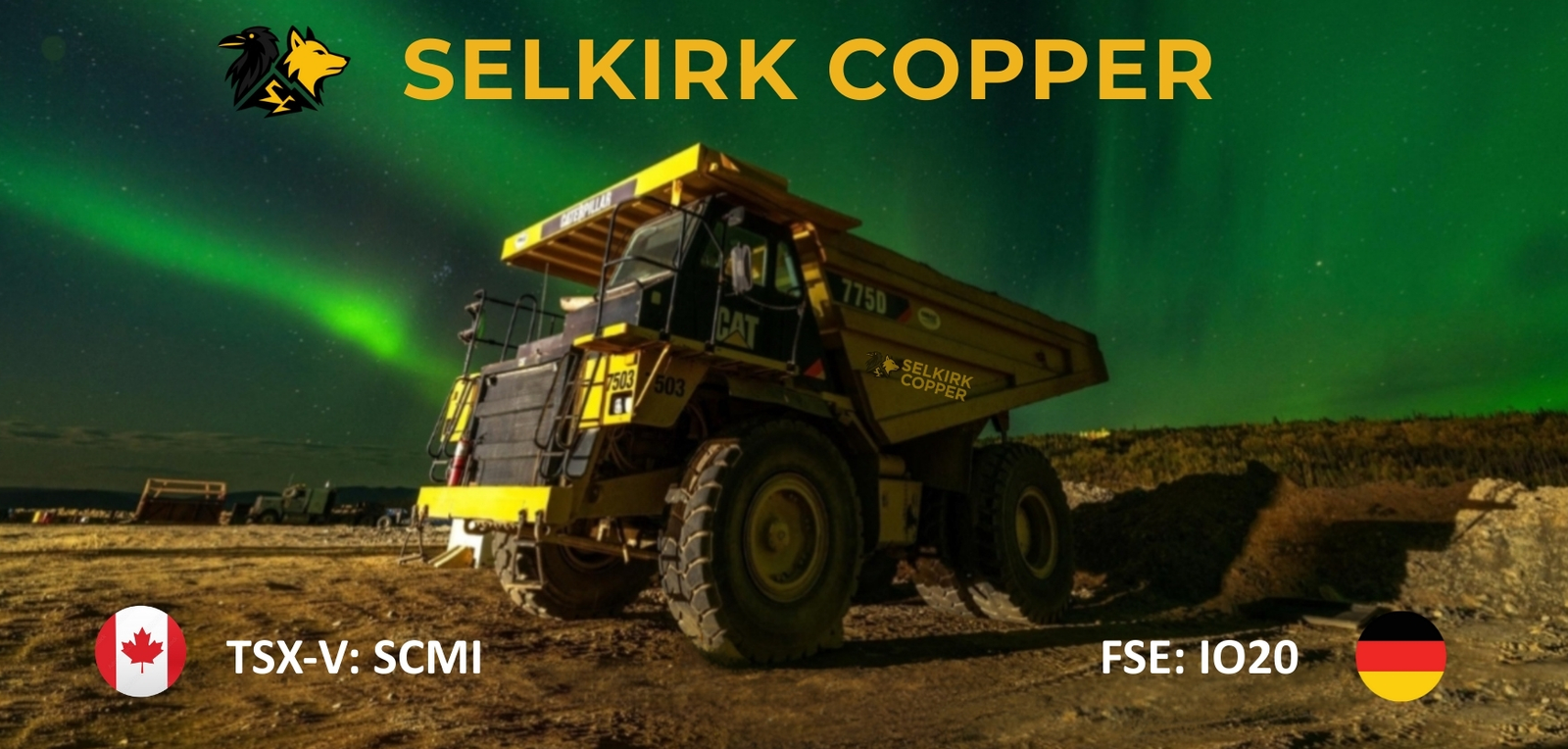
In previous messages, I’ve talked about rock mechanics, geotechnics, mill optimisation and drill programs. It’s a lot to take in. To help consolidate the previous messages, here is our high-level three-step plan to restart the Minto Mine.
1. Resource De-risking
In Q4 2025, Selkirk Copper acquired an updated, high-quality LiDAR dataset covering ~2,000km2 of the prospective Minto Carmacks Copper Belt. This will act as a base map for mine-site and district-wide exploration activities.
In-fill and expansion drilling will target near-term, high-grade zones, including Minto North, Minto East and the Copper Keel underground zones. The objective is to convert Inferred and lower-confidence material into Measured/Indicated Resources and convert high-confidence resources into reserves for short-term mine planning and mill feed.
A 2026 district-wide exploration program is being advanced based on the geoscientific understanding created from the current 50,000-meter drill program, combined with district-wide geophysics, geochemistry, and surface sampling
With Selkirk First Nation (SFN) as a 22.3% equity partner in Selkirk Copper, we have an opportunity to explore a wide footprint of prospective rocks.
2. Mine Planning
This Yukon Copper asset needs love and attention, and that is what we are giving it. There are currently teams of engineers, geoscientists, mine planners, and drillers working on site, creating a derisked plan to restart the Minto Mine.
Our corporate decision-making is informed by the intention to create a 12-15 year-mine-life. We do not want to have to stop and start the mine or reapply for operating permits.
Increasing Selkirk Copper’s metal inventory is part of this process, but it will also require a trade-off study comparing multiple design, operational and strategic options to determine the best approach for the mine restart.
We are analysing underground stope sequencing, backfill options, decline and ramp access options, ventilation strategies, power options, pumping and dewatering systems, trucking options, waste rock handling and ground support systems.
3. Restart Permitting
In 2023, the Minto Mine was fully permitted for production, but with some limitations. The broader environmental permits are still in place, but we need a fully integrated set of development, mining, milling, rock waste, and tailings permits that will give us operational stability for our targeted 12-15 year-mine-life.
A Quartz Mining Licence (QML) is the major permit required to develop and operate hard rock mines in the Yukon. It authorises construction, production and waste management. We plan to amend the current QML, water license, and Environmental Assessments (EA) to include new mining areas.
We will complete outstanding monitoring, reporting, and remediation tasks (water sampling, tailings closure monitoring, dust and noise mitigation).
Third-party auditors will be engaged along with the appropriate Yukon regulators to confirm compliance and obtain written sign-offs.
There will be a prioritization of reclamation works that materially reduce long-term closure costs including contaminated soil removal, re-vegetation, water management structures, and above ground infrastructure.
Pre-application meetings with Yukon Water Board and relevant agencies are already underway to align expectations and data requirements.
Most importantly, we are ensuring that our derisking, mine planning and permitting initiatives are supportive of SFN’s environmental & sustainability objectives and where possible include direct input and involvement of SFN Land and Environment team leads and consultants.
In the next and final message of this series, I will state 10 reasons to invest in Selkirk Copper.
By Colin Joudrie
President & CEO of Selkirk Copper
10 Reasons to Invest in Selkirk Copper
By Colin Joudrie
President & CEO of Selkirk Copper
In the 10th and final message of this series, I will state 10 reasons to invest in Selkirk Copper.
1. Proven Leadership with Skin in the Game – I have a 30-year track record at Teck Resources; exploring, drilling, mining and forging strategic partnerships. With a degree in geology and an MBA, I have learned to ask the right questions and listen carefully to the answers. My belief in our mission to restart the Minto copper-gold-silver mine is backed up by a ~$3.0 million personal investment in Selkirk Copper and a conviction about the positive fundamentals in the copper, gold, and silver markets.
2. Past Production and Existing Infrastructure – Over its 16-year life, the Minto Mine produced 500 million pounds of copper, plus significant amounts of gold and silver. Minto last operated in May 2023, producing at a rate of ~15-20,000 tonnes of copper, 20-25,000 ounces of gold and 200-250,000 ounces of silver annually. More than C$320 million of past capital built a 4,100 tonnes per day mill, underground workings, open pits, power line, access roads, a 400-person full-rotation camp and water treatment systems – all materially de-risking capital requirements for a restart.
3. Strong Selkirk First Nation (SFN) partnership – SFN owns ~22% of Selkirk Copper, holds Category A land rights (including subsurface), and provides critical permitting, social license and local knowledge. SFN leadership and VP Lands & Environment Kevin McGinty are directly involved, aligning community priorities with project execution.
4. Minto Mine Restart – What We Are Doing Differently – Prior iterations of the Minto Mine had two major problems. One, a lack of exploration resulted in depleted reserves and resources. Two, an onerous precious metals streaming arrangement saw a significant chunk of the value stripped away from the operator. Our restart plan involves boots on the ground, a new social license, an unburdened asset (gold-silver streams removed), an updated MRE, trade-off studies and feasibility study work.
5. Exploration and Resource Drilling – Our goal is to become a mid-tier producer of high-quality copper-gold-silver concentrates. As part of our mission to de-risk the capital costs of the mine restart, we intend to establish a 12-15 year-mine life. That will require exploration and definition drilling. In August 2025, four diamond drills were mobilized to site. Since then and up to March 2026, over 48,000 meters of diamond drilling in 164 drill holes have been completed. Initial drill results have expanded the previously identified Minto North West high-grade mineralized zone by up to 90%.
6. Trade-off Study and PEA – A successful mine restart requires rigorous technical and financial planning. Our mine restart plan involves a trade-off study comparing multiple design, operational and strategic options. We are also preparing a Preliminary Economic Assessment (PEA) to evaluate the potential economic viability of the Minto Mine. We intend to publish the results of the trade-off study and PEA in mid-2026.
7. The Selkirk Copper Team – Our experienced and knowledgeable team includes Director Rob McLeod, currently the CEO of Cambria Gold Mines Inc. Director Stephen Mills, a member of the Vuntut Gwitchin First Nation, a senior mining advisor and negotiator. Director Ryan Weymark, with 15 years of experience spanning engineering, permitting, construction and operations. VP Lands & Environment Kevin McGinty, a member of SFN and its Wolf Clan, a seasoned environment steward of the land. Manager, Community Relations Morris Morrison, an SFN citizen of the Wolf Clan, who served as Councillor of SFN from 2017-2018. VP Exploration & Geoscience, Stacie Jones, with over 10 years of experience leading exploration programs across Canada’s most remote and prospective mineral districts. Chief Financial Officer Josh Kierce with eight years of experience in accounting and investment banking. Vice President Corporate Development, Justin Stevens, CFA, a capital markets professional with 10 years of experience in buy and sell-side equity research covering the mining sector. Scott Fulton, P.Eng., Vice President Projects & Engineering, a Professional Engineer with over 30 years post-graduate experience, a multi-disciplined Engineering Manager/Project Manager/Director who has worked around the globe in various industrial sectors.
8. Access to International Copper Markets – From 2007 to 2023, the Minto Mine trucked its copper-gold-silver concentrate to a deepwater port in Skagway, Alaska. Skagway offers direct shipping routes to Asian markets. That’s strategically important. Minto mineral concentrates were previously shipped to Japan. Selkirk Copper is working directly with the Municipality of Skagway, including its community members, to develop a cost-effective, environmentally responsible and sustainable critical mineral concentrate shipping solution that will meet the needs of the mine in time for our planned mid-2028 restart of operations. Great progress has been made since our first direct engagement with the Municipality of Skagway. We look forward to developing a long-term, cost-effective and environmentally responsible critical mineral concentrate shipping solution serving Selkirk Copper’s needs.
9. Three Steps to the Minto Mine Restart – Our high-level three-step plan to restart the Minto Mine involves Resource De-risking – a Q4 2025 LiDAR dataset is acting as a base map for mine-site and district-wide exploration activities, exploring a wide footprint of prospective rocks when combined with 50,000 metres of drilling will create an updated mineral resource estimate and new integrated mine plans. Mine Planning and Process Plant Development – a team of drillers, engineers, geoscientists and mine-planners are working on site to create operational and strategic options for the restart. Restart Permitting – we are building a fully integrated set of development, mining, milling and tailings permits that will give us operational stability for our targeted 12-15 year-mine-life.
10. The Right Metal at the Right Time – Copper is currently trading around US$5.50/lb – up 60% in the last five years. Demand is driven by the green energy transition, including solar panels and EVs, and the rise of Artificial Intelligence (AI). AI Data centers currently consume about 4% of America’s total electricity. This is expected to rise to 7.8% by 2030. In addition, on the supply side, there has been underinvestment by the mining industry in new mines over the past 10-15 years. Without the development of new copper mines, BMO Capital Markets predicts a copper supply deficit of 9 million tonnes per year by 2030. We believe Selkirk Copper’s Minto copper-gold-silver mine will play a role in meeting the surging global demand for copper. Currently, 65% of our value is copper, 31% gold and 4% silver. The precious metal component is not trivial.
I hope these ten messages have provided a deeper understanding of our corporate and social mission at Selkirk Copper.
By Colin Joudrie
President & CEO of Selkirk Copper